
Destinations
Magazine
Explore our curated collection of regenerative destinations and unforgettable experiences. Your next adventure starts here.
- 2 Stories
- 3 Accommodations
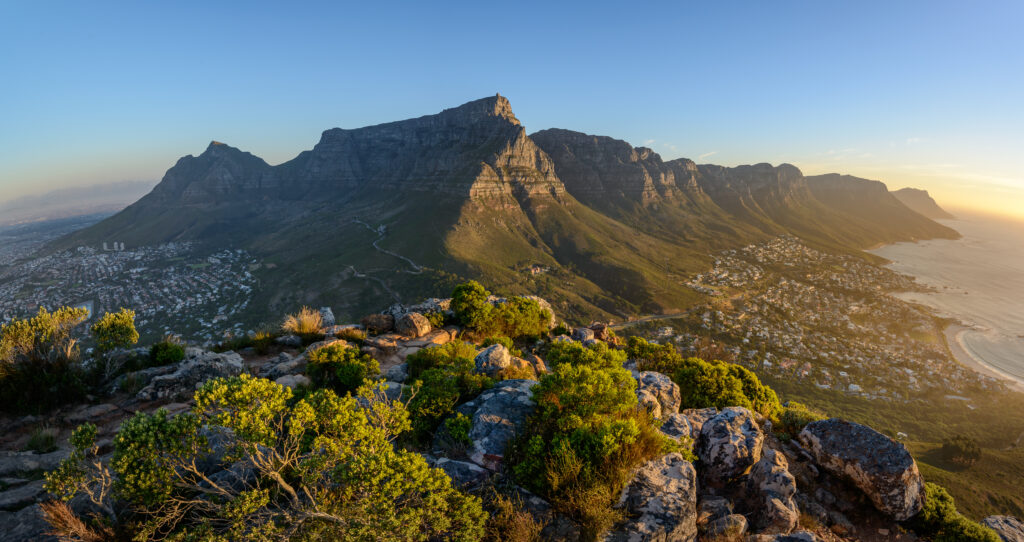
South Africa sits at the very foot of the African continent, bordered by Namibia, Botswana, Zimbabwe, Mozambique and Eswatini, with Lesotho entirely enclosed within its borders like a small mountain kingdom holding its breath. Two oceans meet here, the Indian and the Atlantic colliding somewhere around Cape Point in a display that feels almost too neat to be geological accident. It’s a country of such staggering internal variety, desert, savannah, winelands, subtropical coast, alpine peaks, that visitors often arrive expecting one Africa and leave having experienced what feels like five or six.
What makes South Africa genuinely compelling right now, beyond the obvious pull of the Big Five and Table Mountain, is how seriously parts of the country have committed to rewilding degraded farmland, restoring fynbos and grassland ecosystems, and building tourism models that funnel real income into the communities who bore the brunt of both colonialism and apartheid’s land dispossession. It’s not a simple story, and South Africa doesn’t pretend otherwise. But few countries anywhere are doing more interesting, more difficult work at the intersection of conservation, land justice and tourism than this one.
Kenya: The Original Safari Country
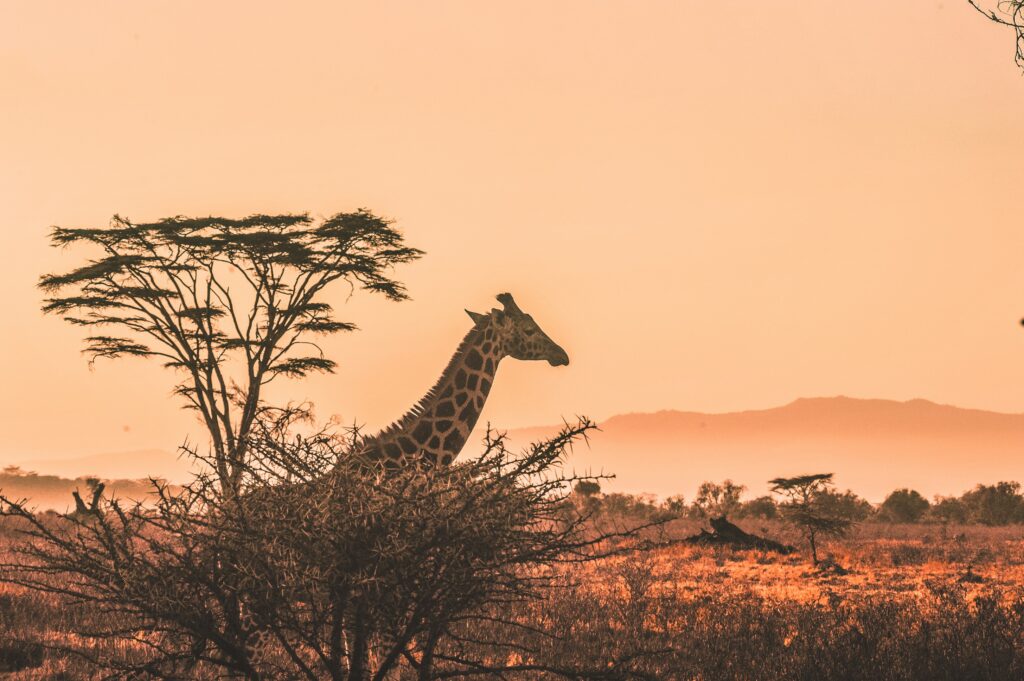
Kenya sits astride the equator in East Africa, bordered by Ethiopia and South Sudan to the north, Somalia to the east, Tanzania to the south and Uganda to the west, with a long stretch of Indian Ocean coastline running from Lamu down to the Tanzanian border. It is, in many ways, the country that invented the modern idea of safari, the word itself Swahili for journey, and it remains for most travellers the reference point against which every other African wildlife destination gets measured. That reputation is well earned. The Maasai Mara alone, with its role in the great wildebeest migration, has shaped how the world pictures Africa for the better part of a century.
But Kenya today is a considerably more interesting country than the postcard suggests, and increasingly one of the most instructive places on the continent to understand how tourism and conservation can be built around the people who actually live on the land, rather than around them. Nowhere in Africa has the community conservancy model been developed with quite the same depth and scale, and nowhere has the link between wildlife survival and local economic benefit been made quite so explicit. Kenya isn’t simply a country with extraordinary wildlife. It’s a country that has spent the last three decades working out, often through trial and error, how to make sure that wildlife pays its way for the people living alongside it, which turns out to be the whole difference between conservation that lasts and conservation that doesn’t.
- 2 Stories
- 3 Accommodations
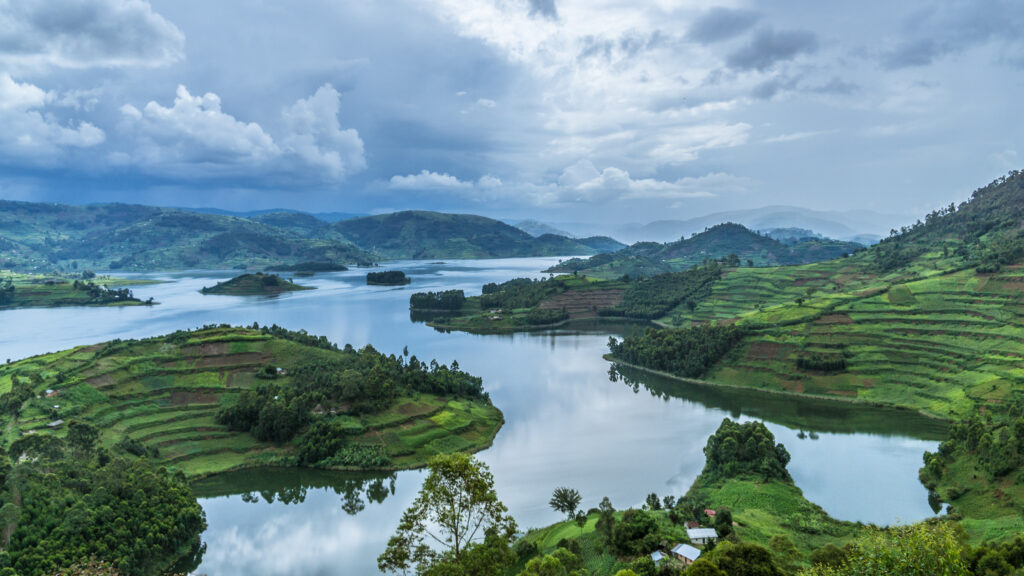
Uganda sits landlocked in East Africa, pressed against the western edge of Kenya, wrapped around the northern shore of Lake Victoria, bordered by South Sudan, the Democratic Republic of Congo, Rwanda and Tanzania. It has no coastline and, for most of its history, no great fame either, at least not compared to the safari heavyweights next door. Winston Churchill called it the Pearl of Africa in 1908, and for once a colonial soundbite turned out to be more or less accurate. What Uganda holds within its modest borders, roughly the size of the United Kingdom, is a concentration of biodiversity and landscape variety that few countries on the continent can match.
This is the source of the Nile, the meeting point of savannah and rainforest, the only country other than Rwanda and the Democratic Republic of Congo where mountain gorillas still survive in the wild. It’s also, increasingly, a country worth watching closely for how it’s approaching conservation and tourism together, not as competing interests but as the same project. Community land trusts, revenue sharing schemes built directly into national park policy, and some of the most tightly regulated wildlife tourism anywhere in the world have made Uganda a genuinely interesting case study in regeneration, one built less on grand declarations than on decades of patient, unglamorous work protecting habitat that had, at various points, come close to being lost entirely.
- 2 Stories
- 3 Accommodations
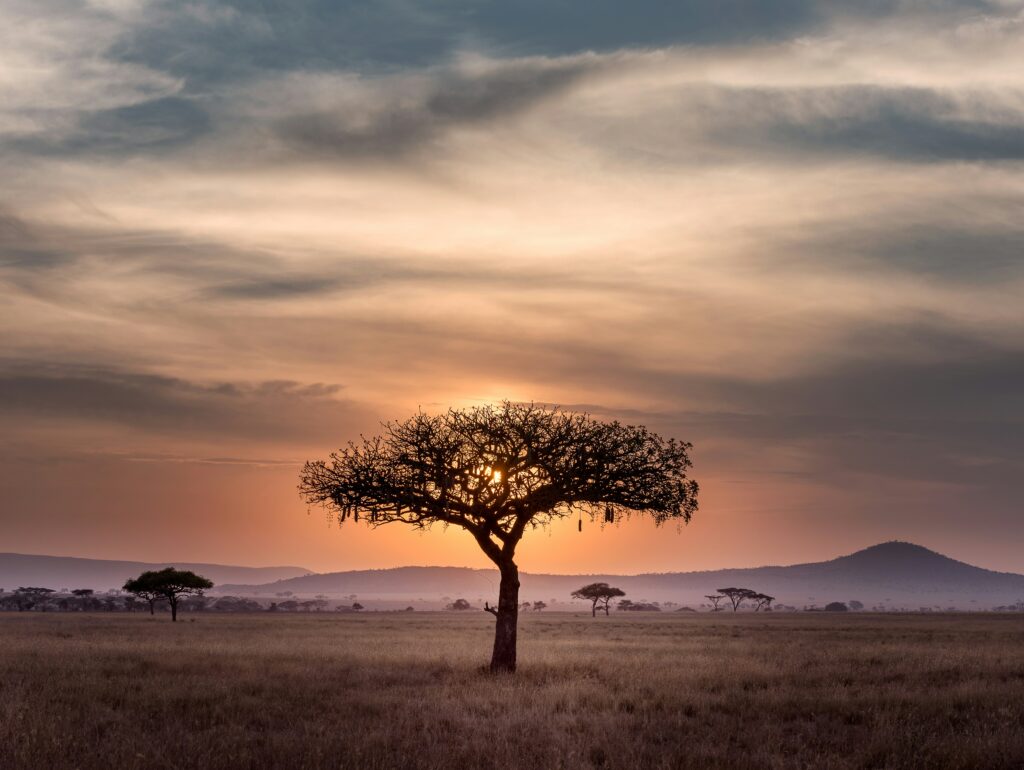
Stretch a map of East Africa flat and let your eye settle on the bulge between the Indian Ocean and the Great Lakes, that’s Tanzania, a country that seems almost implausibly generous with its natural inheritance. It holds the roof of the continent in Kilimatango’s snow-capped summit, the ancient depths of Lake Tanganyika, the boiling salt-flats of Lake Natron pink with flamingos, and the spice-scented lanes of Zanzibar’s Stone Town. Few countries pack this much geological and cultural range into one set of borders.
- 3 Stories
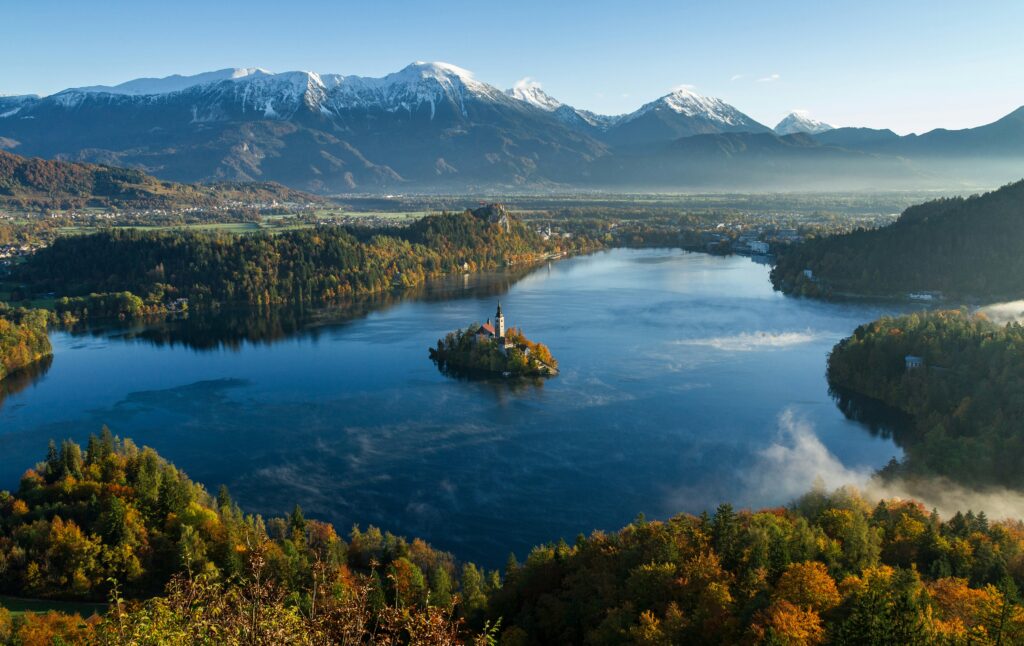
Slovenia: The Quiet Art of Doing Everything Right
There’s a particular kind of country that never shouts about itself, and Slovenia is precisely that sort. Wedged between Italy, Austria, Hungary and Croatia, roughly the size of Wales, it has spent the last decade quietly becoming one of the most compelling arguments for what a small nation can achieve when it decides that beauty and responsibility aren’t separate projects. You arrive expecting alpine lakes and leave wondering why nobody told you the whole country reads like a masterclass in doing things properly.
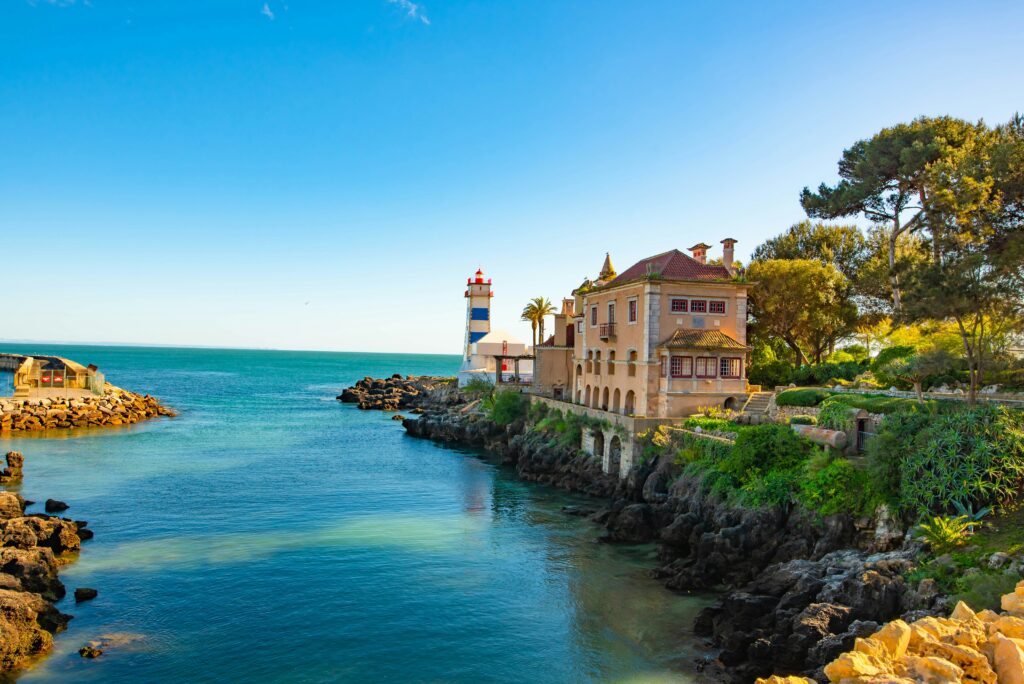
There’s a version of Portugal most people think they already know: pastel de nata, azulejo tiles, Lisbon’s hills, the Algarve’s golf courses and package holidays. It’s not wrong, exactly, but it’s a bit like describing a novel by its cover. Spend real time here and a different country reveals itself, one that has quietly become Europe’s most interesting case study in how tourism can restore a place rather than simply extract from it.
- 2 Stories
- 3 Accommodations
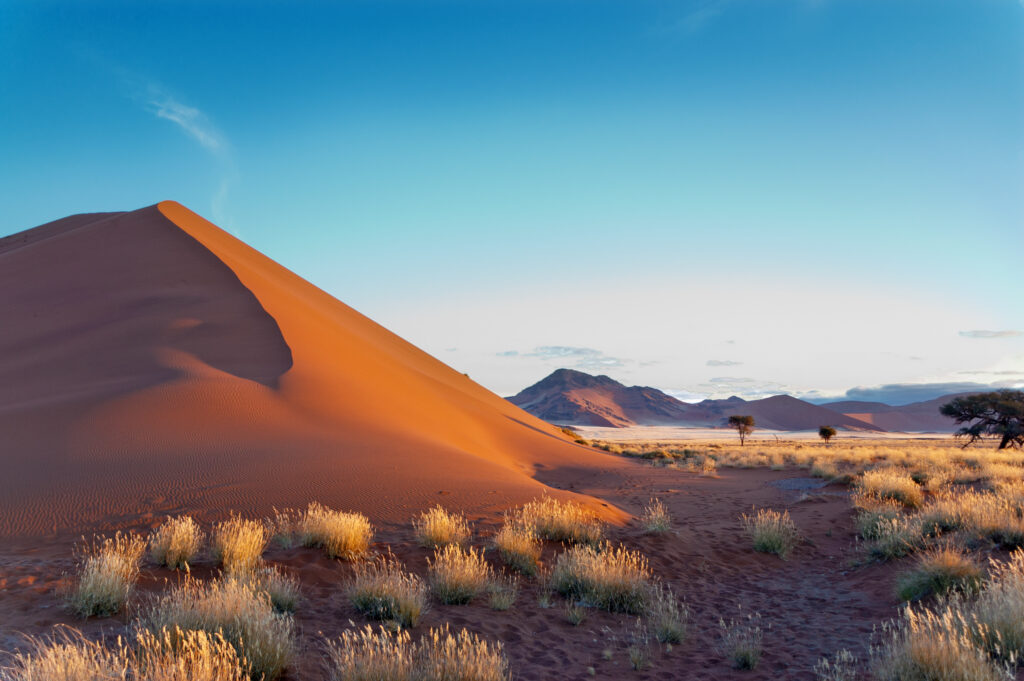
There’s a moment that happens to almost everyone on their first night in the Namib, usually somewhere out past Sossusvlei, when the last generator hums off and the desert goes properly dark, and the sky above suddenly looks so thick with stars that it seems almost unreasonable. Namibia does that to people. It is, depending on how you measure it, one of the least densely populated countries on Earth, and that emptiness isn’t a gap to be filled. It’s the entire point.
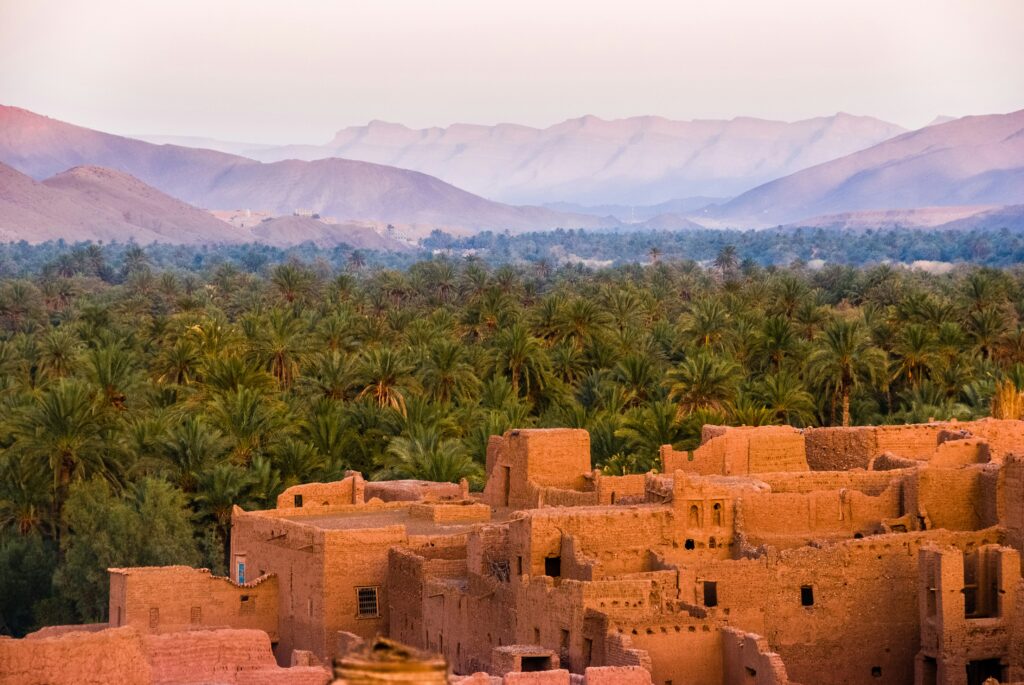
Morocco sits at the northwestern tip of Africa, close enough to Europe that on a clear day you can see Spain across the Strait of Gibraltar, yet unmistakably its own country, shaped by Berber roots, Arab conquest, Andalusian influence and decades of French and Spanish colonial presence, all of it folded into something entirely singular. It’s a country of extraordinary geographic range for its size, desert, mountain, coastline and fertile plain all within a few hours’ drive of each other, and increasingly one of the more interesting places in North Africa to watch how tourism, energy policy and rural community life are being reshaped together.
What makes Morocco genuinely compelling from a regenerative perspective is the scale of ambition behind the changes underway. This is a country that has committed hard to renewable energy, invested seriously in community based tourism in the Atlas and pre Saharan regions, and built an entire domestic movement around protecting argan forest, much of it led by women’s cooperatives whose work touches both livelihood and land conservation at once. None of it is finished, and Morocco still wrestles with water scarcity and the pressures of rapid tourism growth in cities like Marrakech. But there’s a seriousness to the direction it’s heading in that’s worth paying attention to.
- 3 Stories
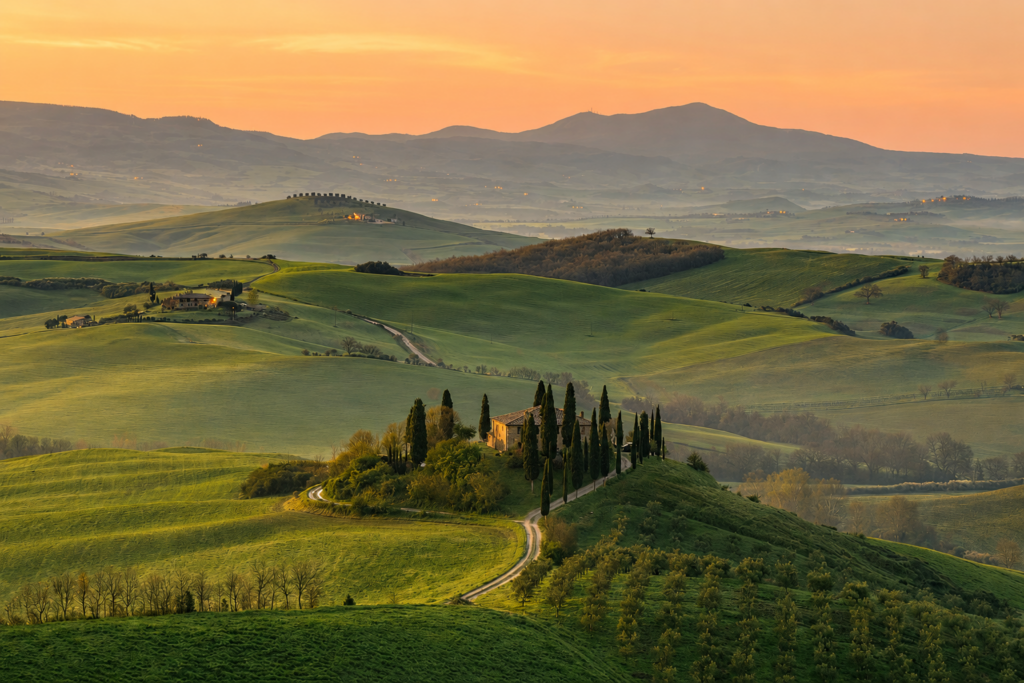
Italy runs down the middle of the Mediterranean like a spine, bordered by France, Switzerland, Austria and Slovenia to the north, wrapped by the Tyrrhenian, Ionian and Adriatic seas on nearly every other side, its two largest islands, Sicily and Sardinia, adding entirely separate worlds of their own. It is, by most measures, the most visited country in Europe, and yet it somehow still manages to feel inexhaustible, a place that rewards a twentieth visit almost as much as a first. What makes Italy genuinely remarkable isn’t any single sight, however extraordinary, but the sheer density of history, landscape and culture packed into a country roughly the size of Arizona.
It’s also, increasingly, a country grappling seriously with what its own popularity has cost it, and responding in ways that go well beyond token gestures. Venice’s fight against overtourism, a growing agriturismo movement rebuilding rural economies, and genuine rewilding success stories in the Apennines and the Alps all point to a country starting to treat its landscape and heritage as something to actively repair rather than simply monetise. Italy was never short on beauty. What’s changing is how seriously it’s beginning to protect it.
- 3 Stories
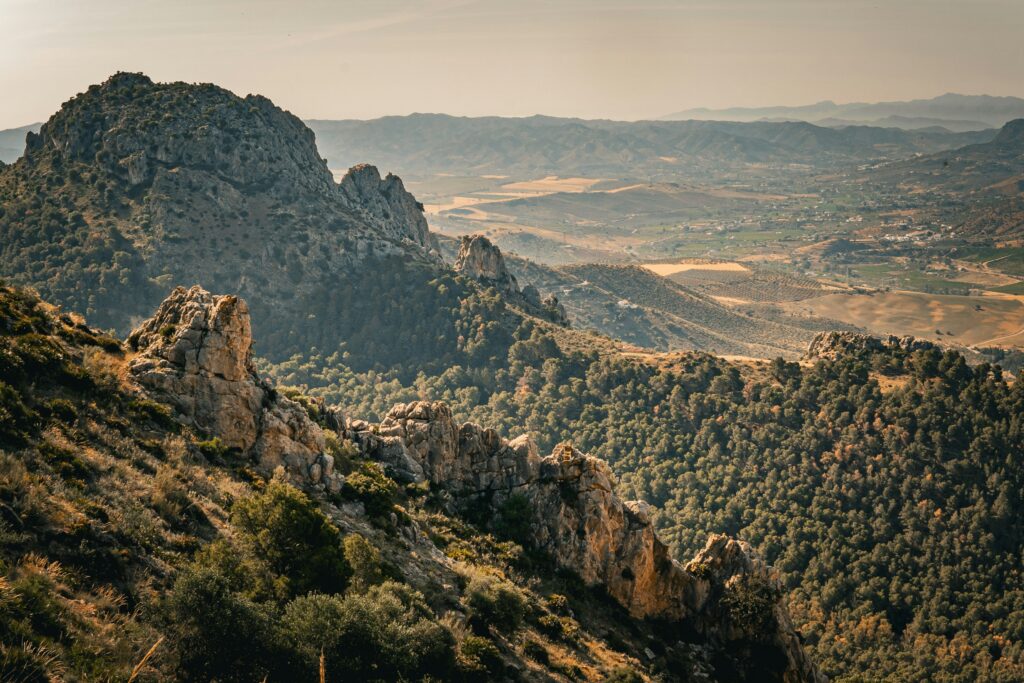
Spain has a habit of surprising people who think they already know it. Beyond the sun loungers and sangria clichés sits a country so regionally distinct that flying from Bilbao to Seville can feel like crossing several borders rather than one, and increasingly, a country that has started treating its extraordinary natural inheritance as something to be actively restored rather than simply enjoyed.
Latest Stories
- Regenerative, Travel
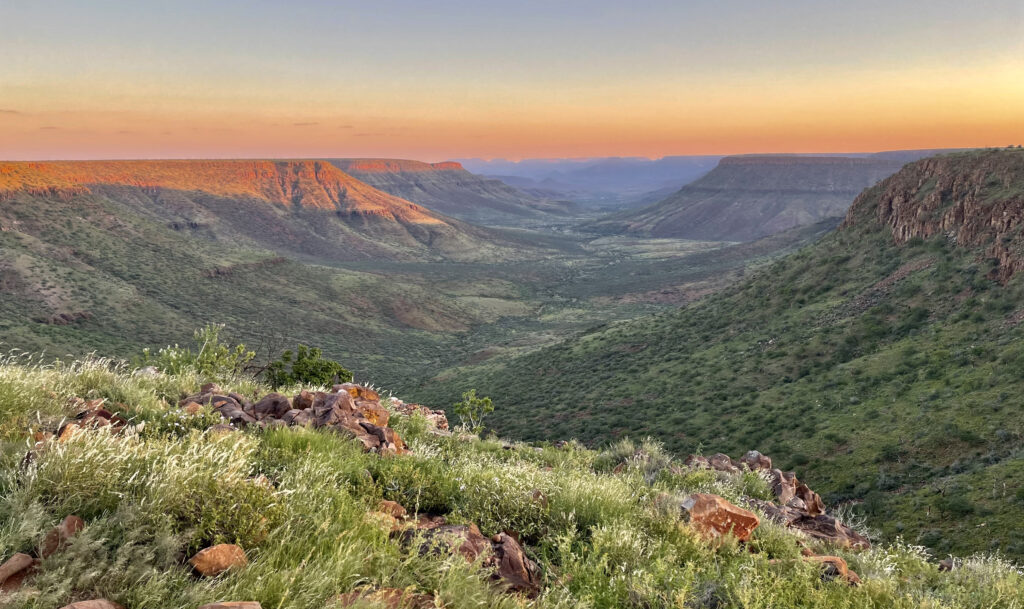
"Regenerative" is tourism's word of the moment, dropped on conference panels and marketing decks alike, yet the people who shaped it still disagree on what it demands. Alessandro Inversini, Willy Legrand, Anna Pollock, Bill Reed and others weigh in. Meanwhile, four African lodges are answering the question in practice: a Ugandan tea estate reforested over sixteen years, Namibian farmland returned to habitat, a Kenyan lodge that exists to fund a wildlife corridor, and a 50-year rewilding pledge in South Africa's Soutpansberg.

Laetitia Hörnler
Editor-in-Chief · Veriva Magazine
- Cultural, Travel
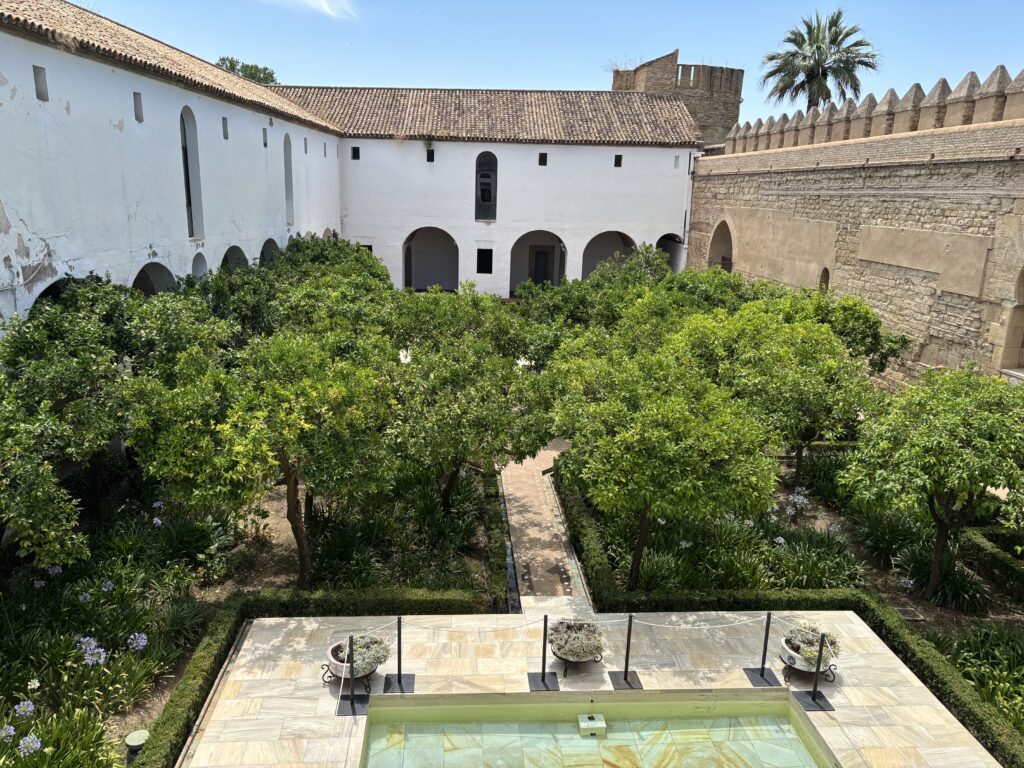
A cheap souvenir comb in Cordoba becomes the starting point for a wider question: does tourism sustain the crafts it profits from, or hollow them out? Batten travels from Andalusia to Portugal's Serra da Estrela, visiting hotels that have gone beyond stocking local pottery and textiles to actively keeping the skills behind them alive buying a failing weaving mill, arranging maker-led tours, building new markets for centuries-old techniques. Along the way, she talks to hoteliers, artisans and academics about what turns a craft from a marketing prop into a genuine point of connection. As she puts it, "Storytelling is what moves culture from a commodity to an experience."

Rhiannon Batten
- Community, Regenerative
Beyond employment numbers: What genuine community benefit actually looks like in East African lodges
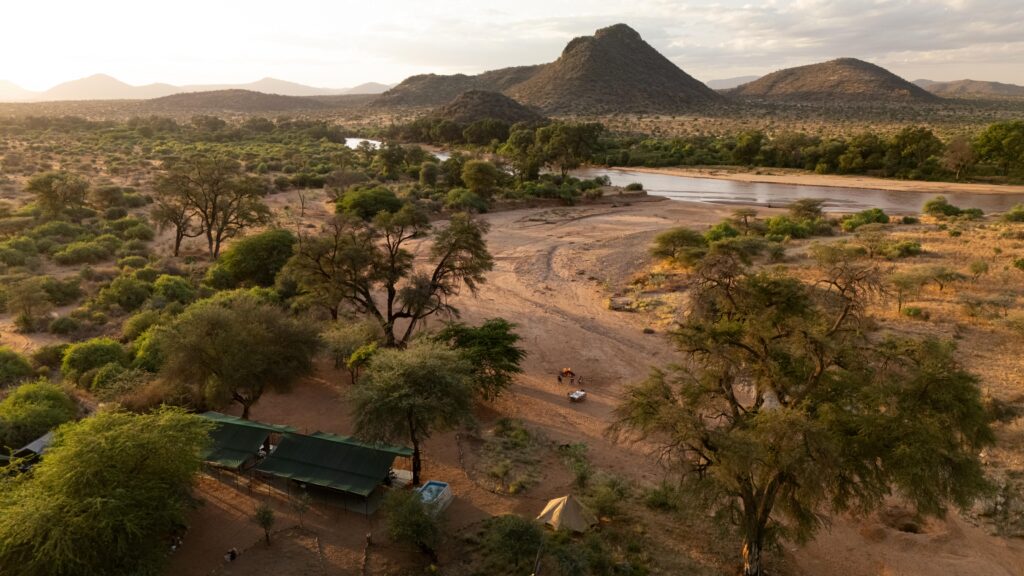
From Volcanoes Safaris' Batwa village in Uganda, built for a community once evicted to make way for gorilla conservation to Sarara in Kenya, where elephant numbers have rebounded from around 400 to roughly 6,000 alongside a programme putting income directly into Samburu women's hands, real impact isn't found in a quarterly report. It's in whether communities have genuine agency, and whether the benefit outlasts the funding cycle.
"You need communities as much as they need you." Praveen Moman, founder of Volcanoes Safaris
Meera Dattani

- Regenerative, Travel
"You can't improve what you can't measure."
As the EU's EmpCo Directive forces travel brands to back up green claims with real evidence, Tourism Innovation Summit director Silvia Avilés says the industry is entering a new phase one where ambition alone no longer cuts it.
"We're seeing companies move away from broad claims such as 'green,' 'eco-friendly' or 'carbon neutral,' and towards more specific statements that can be supported with clear evidence," she explains.
Her message for platforms built on independent verification is clear: "Independent verification is becoming essential infrastructure for tourism, rather than a niche add-on."
Laetitia Hörnler
Editor-in-Chief · Veriva Magazine
