What Tanzania Offers
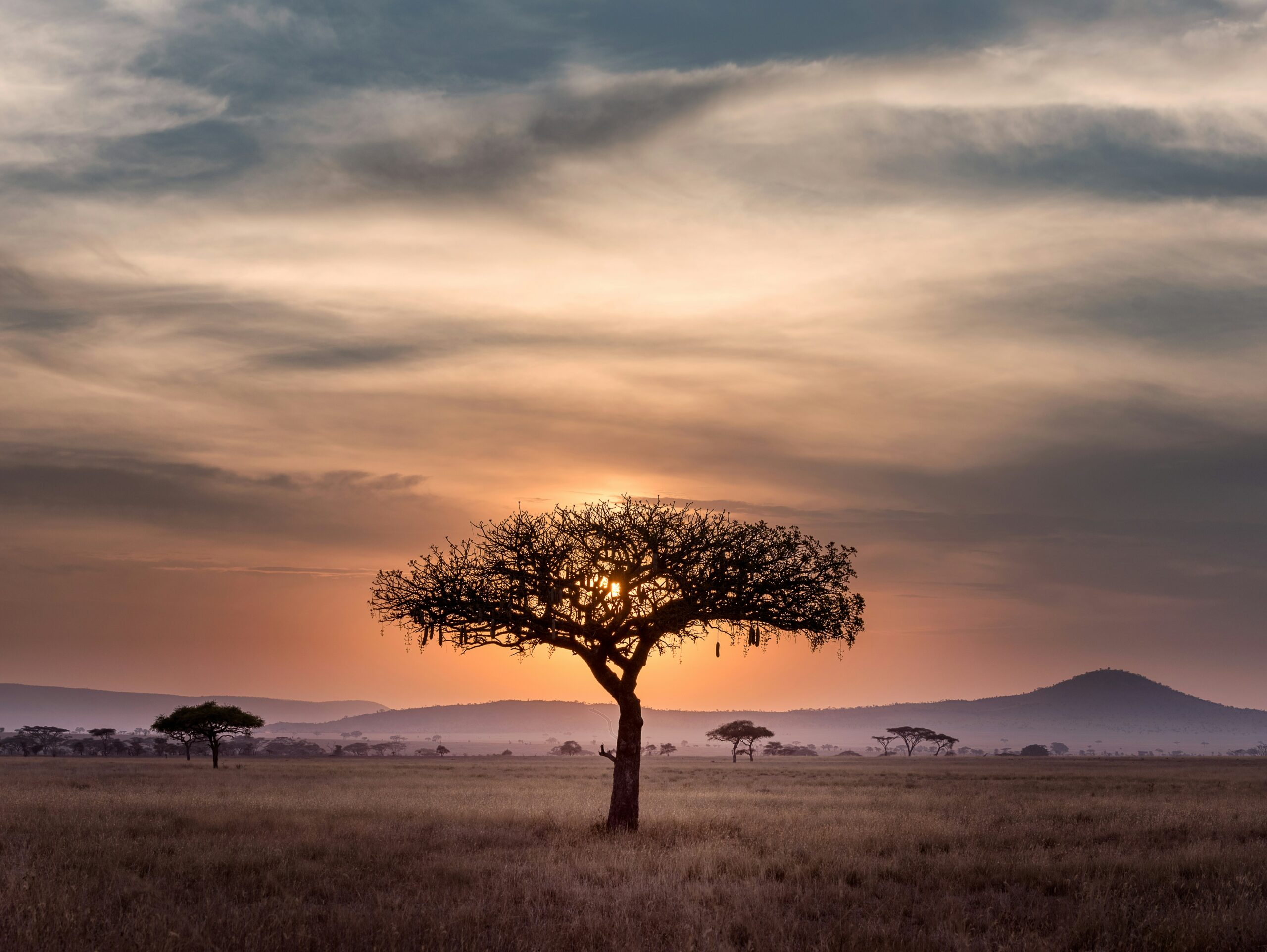
Tanzania is less a single destination than a continent’s worth of contrasts stitched together. The Serengeti’s grass plains host the largest terrestrial mammal migration left on Earth, with wildebeest and zebra moving in a circular pilgrimage that has followed the same seasonal rhythm for tens of thousands of years. The Ngorongoro Crater, a collapsed volcanic caldera, concentrates wildlife into something close to a natural amphitheater. Along the coast, Zanzibar and the wider Swahili archipelago belong to a different world entirely, with turquoise water, dhow sails, coral reefs, and a food culture shaped by centuries of trade winds carrying cloves, cinnamon and cardamom from India and Arabia.
Inland, the Southern Circuit of Ruaha, Nyerere (formerly Selous) and Udzungwa gets a fraction of the visitors the north does. What it offers instead has become genuinely rare: wilderness without crowds.
Culture
Tanzanian culture doesn’t come from a single source, which is part of why it’s hard to summarize in a sentence. More than 120 ethnic groups live within the country’s borders, including the Sukuma, Chagga, Haya, Nyamwezi, Maasai and Hadzabe, each with its own language. What holds them together is Swahili, the coastal trade tongue that became a genuine national unifier in a way few African countries have managed. Julius Nyerere’s philosophy of ujamaa, or familyhood, still colors everyday life. Most visitors notice the ethic of hospitality and shared responsibility within a day or two of arriving.
Music carries a lot of the culture’s texture. Taarab, born in Zanzibar out of Arabic, Indian and African influences, still plays on the coast. Bongo flava dominates the cities. Drumming and call and response singing run through rural life. Food tells a similar story in reverse geography, with coconut fish curries and biryani near the coast giving way inland to ugali, nyama choma and simpler maize and bean staples.
Indigenous Peoples and Communities
Some of the world’s most storied indigenous communities live in Tanzania. The Maasai, known for their red shuka cloth and cattle centered way of life, have lived across the Serengeti Ngorongoro region long before the parks were drawn around them. That history creates real tension, and regenerative tourism efforts increasingly try to return agency and income to Maasai communities rather than treat them as part of the scenery. Further west, in the Lake Eyasi basin, the Hadzabe remain one of the last true hunter gatherer societies on Earth. Their click consonant language and ecological knowledge offer a rare, living link to how people lived for most of human history. On Kilimanjaro’s fertile slopes, the Chagga built irrigation and agroforestry systems centuries ago that today’s permaculture designers still study.
A genuinely regenerative approach to Tanzania depends on these communities being included structurally, not just visually. That means conservancy land lease payments, guiding and hospitality jobs, and a real say in decisions about how their own ancestral land gets used.
Countryside, Environment and Wildlife
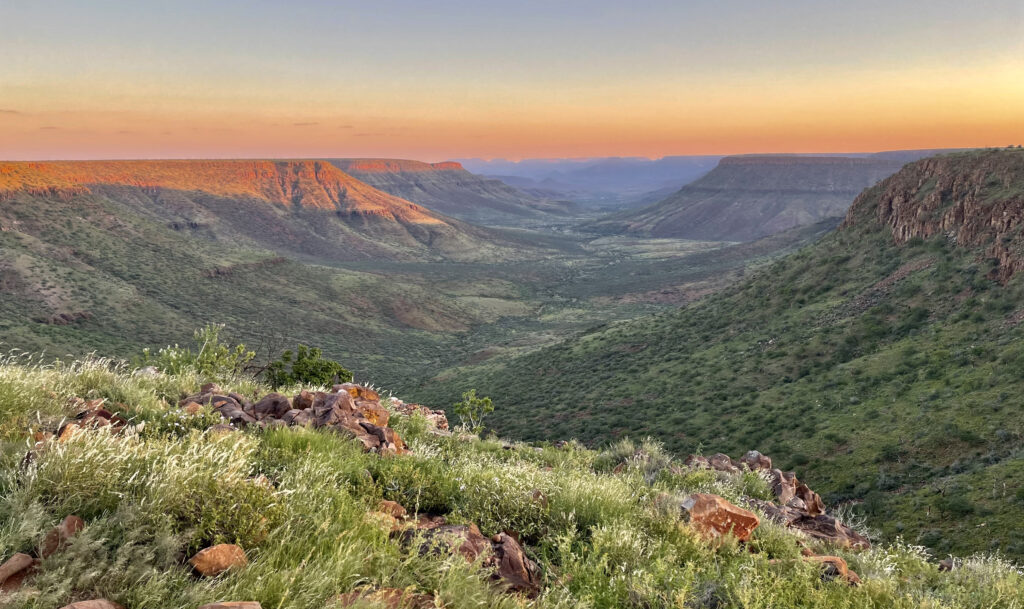
The landscape does something dramatic almost everywhere. The Great Rift Valley splits the country from north to south, leaving behind volcanic craters, soda lakes and long escarpments. Miombo woodland covers much of the south and west. Most travelers have never heard of it, yet it’s home to wild dog, sable antelope and elephant populations larger and less disturbed than those in the famous northern parks.
The scale of wildlife is hard to overstate. Over four million wildebeest, zebra and gazelle move through the Serengeti ecosystem each year. The Ngorongoro Crater holds one of the densest predator populations anywhere on the continent. Along Lake Tanganyika, the Mahale and Gombe forests still protect wild chimpanzees in conditions close to what Jane Goodall worked in decades ago.
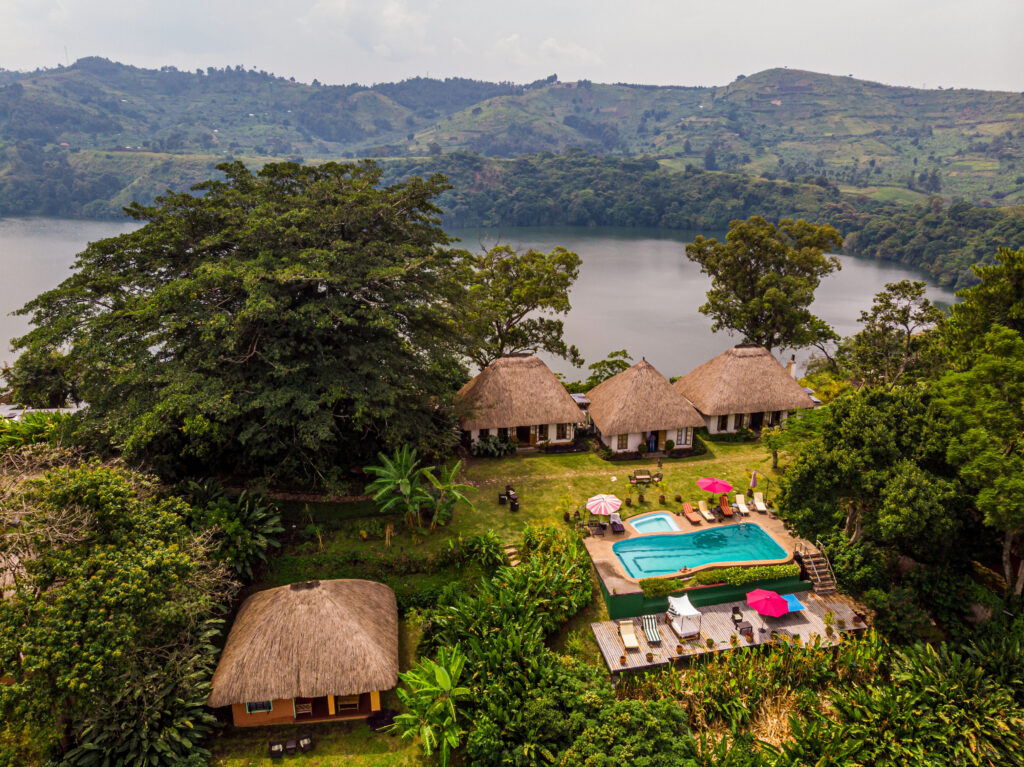
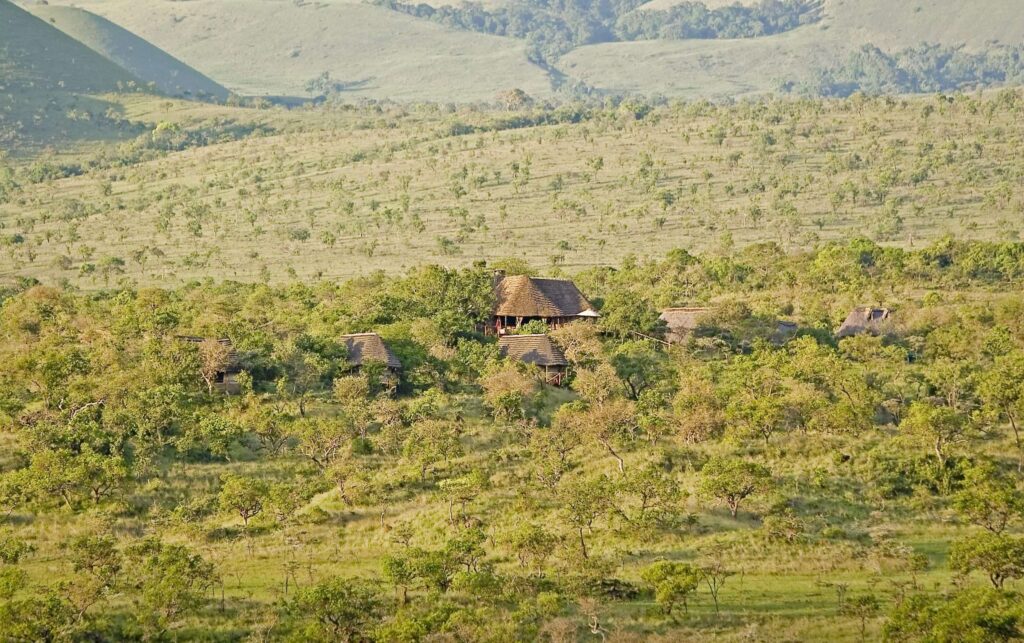
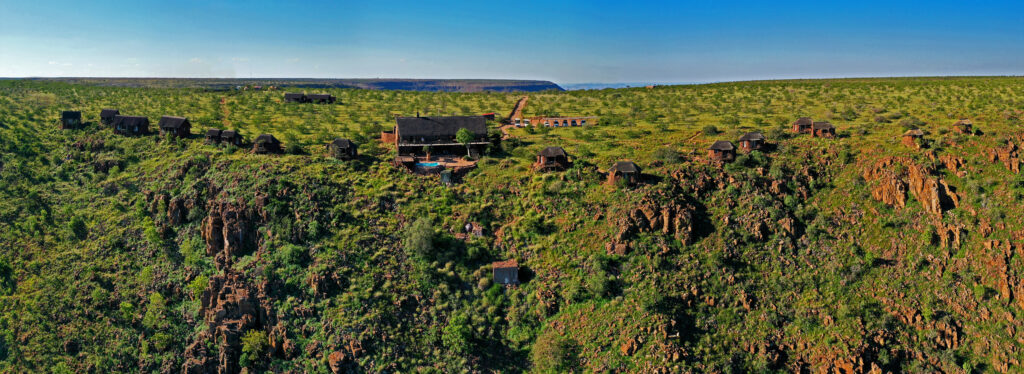
Seen through a regenerative lens, Tanzania is a live test of what conservation looks like when it moves past simply fencing off land and starts actively restoring degraded ecosystems while rebuilding wealth in the communities around them. Community run conservancies lease land from Maasai groups. Some anti poaching programs now employ former poachers as rangers. A growing number of lodges are built to put more back into their landscapes and communities than they take out. None of this is finished or fully solved. But Tanzania is further along in that experiment than most places, and what’s at stake there, for wildlife, for indigenous sovereignty, for climate resilience, is about as visible as it gets anywhere in the world.